THE HISTORY OF NOWA TKALNIA
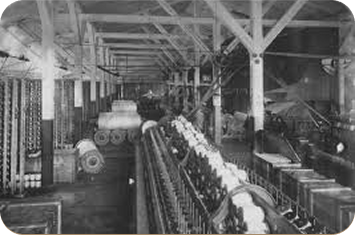
Nowa Tkalnia is being built on land that once belonged to the former “textile empire” of industrialist Karol Scheibler, often called the “cotton king.” This unique revitalization project on the site between Kilińskiego, Tymienieckiego, and Milionowa Streets draws on the industrial heritage of the city, which is intertwined with the family histories of tens of thousands of Łódź residents.
THE BEGINNINGS
The beginnings of this industrial district, famous for its characteristic red brick, date back to the 1820s. The first manufactory was a spinning mill owned by Krystian Wendisch, built between 1827 and 1830.
Karol Scheibler arrived in Łódź in 1854 and began construction of a steam-powered spinning mill with a 40 HP engine, located at the site of today’s Plac Zwycięstwa, right next to Źródliska Park.
1/3
A CITY WITHIN A CITY
2/3
NOWA TKALNIA
The famous Nowa Tkalnia at 187 Kilińskiego Street, designed by Paweł Rübensahm, was opened in 1899 and immediately became the most distinctive factory building of the German industrialist’s enterprises. The investment consumed approximately 2 million rubles and was one of the most modern buildings of its kind in Europe.
3/3
United Textile Mills
In 1921, the heirs of two famous textile entrepreneurs, Karol Scheibler and Ludwik Grohman, reached an agreement and completed a merger, establishing the United Textile Mills of K. Scheibler and L. Grohman, SA in Łódź—the largest textile industry enterprise in interwar Poland.
In 1951, a decision was made to reorganize, resulting in the separation of several smaller plants on the factory site, including: Cotton Mill named after the Defenders of Warsaw, Cotton Mill named after A. Mickiewicz, and Cotton Mill named after T. Kościuszko.
This arrangement lasted just over a decade, and between 1962 and 1964, a multi-division textile enterprise was established at this location, known as the Cotton Mill named after the Defenders of Peace “Uniontex,” whose total production in the mid-1960s approached 90 million meters of fabric, 25% of which was exported.
The 1970s were primarily marked by the famous strikes of 1971, which were a direct continuation of the tragic events on the Coast in December 1970. The authorities of the Polish People’s Republic ultimately yielded to pressure from workers, who won the reversal of price increases on basic goods. “Uniontex” was then one of the largest textile enterprises in Europe, and its product range included flannels, denims, foulards, batistes, and coat fabrics.
The plant grounds included a nursery, kindergarten, canteens, and grocery stores, and the “Uniontex” workforce could receive treatment at the company’s health center. A sports club operated at the factory, and a company library was also maintained. Employees eagerly participated in events organized by the cultural center and engaged in activities run by its dance ensembles, choirs, cabaret, and brass band. Vacation time was organized for the workforce and family members—the company’s holiday resorts were located in Dźwirzyn and Dzierżązna.
In June 1987, during his pilgrimage to Poland, Pope John Paul II met with Łódź textile workers in the famous Weaving Mill building.
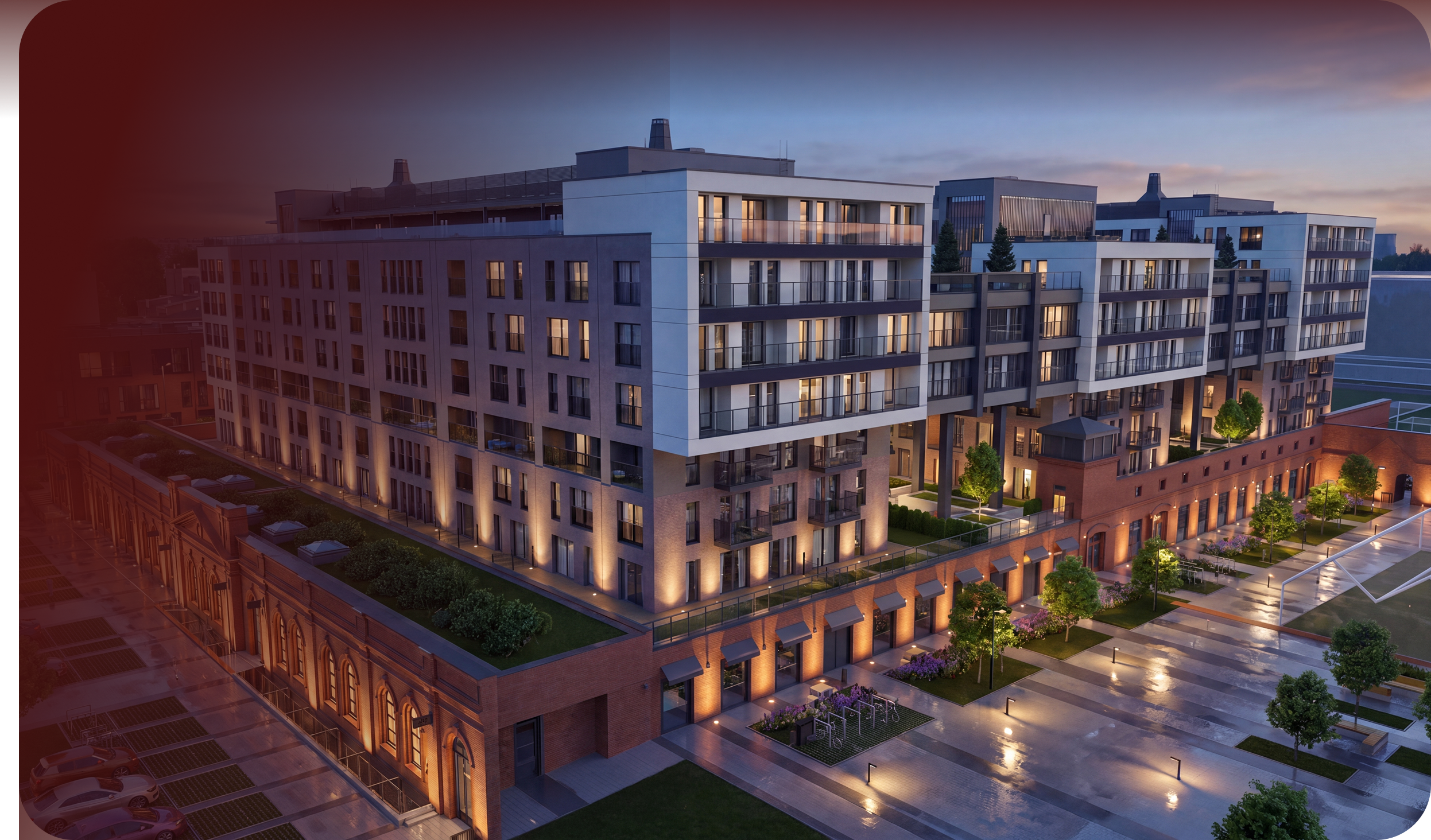
Linesa Investments is beginning the development of Nowa Tkalnia—a multifunctional space built on Łódź’s industrial heritage. The investment will contribute to the broader transformation of Księży Młyn and return to residents a part of the city that has been inaccessible for years. For many Łódź residents and tourists, this will be the first opportunity to see this fragment of “Scheibler’s empire” up close and walk among the historic buildings.
The developer plans to create attractive public spaces; the planned Textile Workers’ Passage will symbolically commemorate the plant’s workforce and allow residents and tourists to admire the historic, post-industrial architecture. It will also be an opportunity to view restored artifacts and other remnants of the former factory in display cases on the Nowa Tkalnia grounds. Historic walls will be incorporated into the facades of new residential buildings, and the park located on the site will also undergo revitalization.